
Start with the opening
One door can be a sensible place to begin an access-control project. A staff entrance, shared office entry, or stockroom may create a clear daily need: manage who can enter without relying entirely on a shared key. The first planning step is to understand the opening and the people using it.
Document the door as it exists
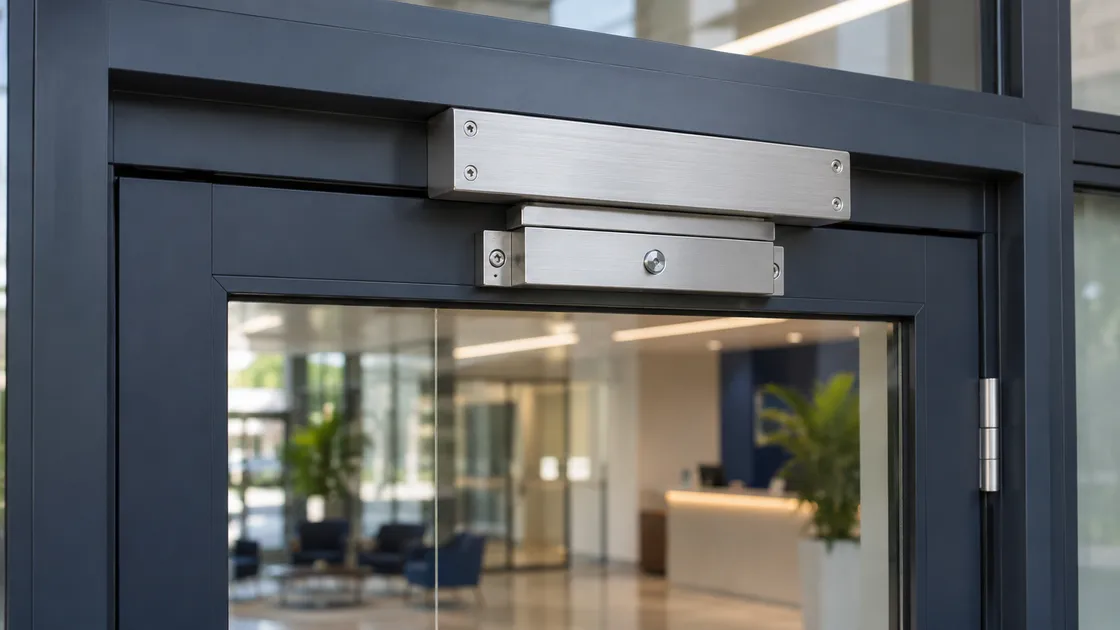
Photograph both sides of the door, its frame, lock, closer, and any existing push bar or electrical hardware. Note whether it closes and latches consistently. Explain whether the door is inside or outside and whether it serves visitors, employees, deliveries, or several groups.
The correct locking approach depends on the opening and applicable requirements. An electric strike is one possible component; Allegion describes how it works with a mechanical lock in its electric-strike explanation. It is not a universal replacement for evaluating the complete door. Have the responsible professional review the hardware, accessibility, exit operation, and any required coordination before a design is approved.
Choose an access process
Write down who should receive credentials and who will manage them. A small team may need a straightforward process for adding a new employee and removing access when someone leaves. A shared building may also need time-limited visitor or contractor access.
Ask the provider to demonstrate routine tasks rather than only showing a reader. How does an administrator change an access schedule? What happens when someone loses a credential? Which features require an ongoing subscription or separate license? These questions reveal the administrative commitment behind the equipment.
Plan ordinary and exceptional situations
Describe opening hours, cleaning visits, deliveries, and periods when the door should remain secured. Explain how staff admit a visitor who does not have a credential. If the project will connect with an intercom or cameras, document what that interaction should accomplish and require compatibility to be checked.
Also ask how the proposed design handles loss of power or network connection and how staff will be trained. The answer must be specific to the selected hardware and system. Do not assume that every access platform operates the same way or that an internet connection is the only dependency.
Request a complete one-door scope
Compare proposals that identify the reader, controller, power arrangements, locking hardware, cabling, installation work, credential quantities, software, and training. Clarify any exclusions and whether the existing door needs separate repairs. Ask who is responsible for the network and for continued administration after installation.
A successful first door should provide a documented model for the next one. Keep the approved hardware information, administrative responsibilities, and support contact with the building's records.
To start with HITEK, select a door-access scope in the quote store and tell us about the opening, user groups, and current hardware. A site review can then establish the details needed for a real proposal rather than treating all doors as interchangeable.
Further reading
electric-strike explanationTurn a useful guide into a practical plan.
Bring your questions to HITEK. Start with a quote package or request a consultation for your building.
Talk through your project