
Use a walkthrough to prepare the next conversation
A useful security review starts with the building's everyday operation. Walk the space with the people responsible for opening, closing, deliveries, staff access and equipment administration. Record questions and observed concerns rather than treating the checklist as proof that the building is compliant or protected against every event.
Prioritize immediate life-safety and egress concerns through the appropriate facility and emergency procedures. This list supports preparation; it is not a code inspection, engineering assessment or instruction to alter safety equipment. Use qualified help for work that requires it.
Doors and entry
01. Do exterior doors close, latch and operate as intended? Note observed problems with the opening, closer, frame or locking hardware for the responsible team to review.
02. Are exits clear and usable under the facility's approved procedures? Identify concerns promptly; do not improvise changes to required exit arrangements.
03. Is the key or credential list current? Identify who can issue and remove access, how lost credentials are handled and what changes when staff or vendors leave.
Video and accounts
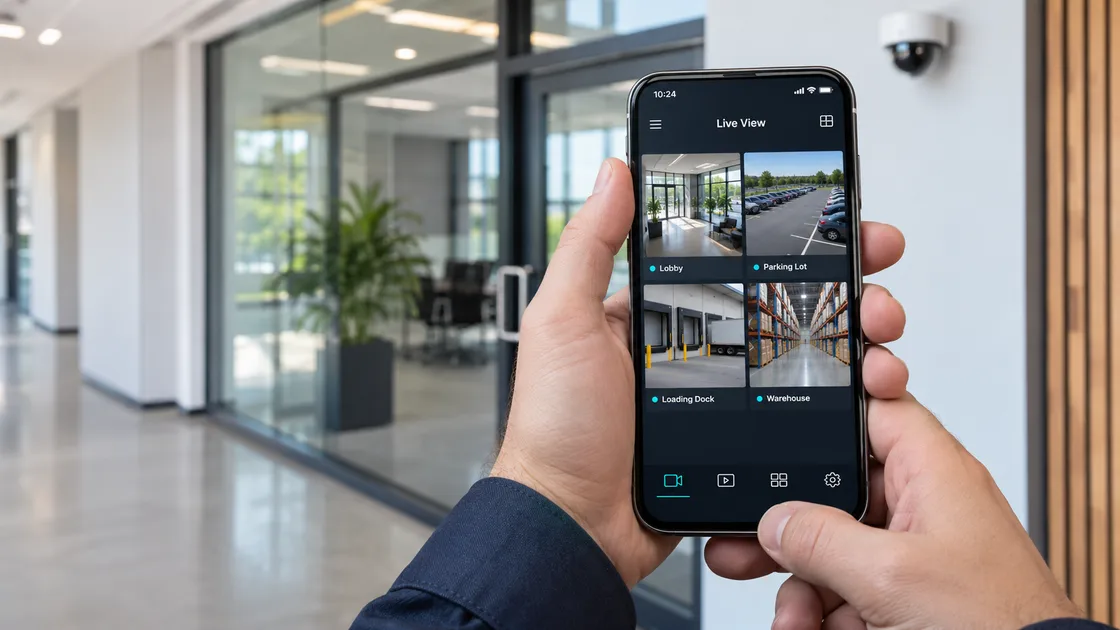
04. Does each camera view support an identified need? Review entrances, deliveries and working areas on the actual viewing system, considering representative lighting and obstructions.
05. Can authorized staff retrieve a recording using the approved retention settings? Ask how storage assumptions, important clips, exports and legal holds are handled for the business.
06. Are user accounts current? Review default credentials, unique accounts, permissions and removal of former users with the responsible IT or system administrator.
Alarm routines and service records
07. Do staff understand the opening, closing and alarm procedures? Review training and the people authorized to manage user codes without placing the codes in a website form.
08. Is the monitoring contact list current, where monitoring is included? Confirm event-handling arrangements and responsibilities rather than assuming a siren guarantees outside response.
09. Have applicable alarm permit requirements been checked for the actual address? A requirement in one city should not be assumed to apply identically throughout the region.
10. Are inspection, service and deficiency-correction records available? Identify the last relevant work, outstanding items and the parties who confirm the next required action.
Approvals and ongoing ownership
11. Have lease, landlord, insurer and internal approval responsibilities been identified? Ask who must authorize changes to doors, exterior walls, cable pathways, equipment and operating policies.
12. Is someone responsible for reviewing faults, maintenance and future changes? Assign the business contact who can coordinate a review and retain the resulting records.
Turn the findings into a defined scope
Record each concern, its operational impact and the person responsible for the next step. Bring the property address, equipment make/model where known, project priorities and timing to the consultation. Discuss immediate needs separately from later expansion and identify any work restrictions.
HITEK's existing quote store offers starting scopes for cameras, access control and security alarms. Select what fits or describe a custom project. The team reviews the request before confirming the scope, price and visit arrangements. A downloadable version of this checklist is available in the planning downloads.
Further reading
CISA: Protecting business infrastructure — physical securityTurn a useful guide into a practical plan.
Bring your questions to HITEK. Start with a quote package or request a consultation for your building.
Talk through your project