
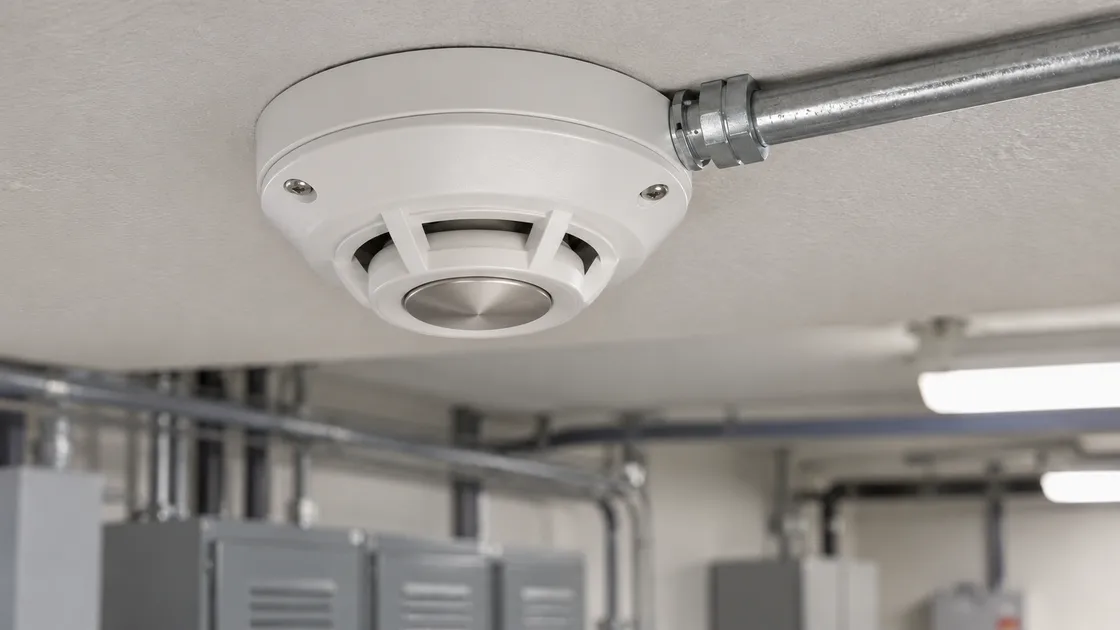
Begin with the property and its responsibilities
A fire alarm inspection should be part of an organized maintenance program rather than a date remembered when a tenant or inspector asks for a report. For a Texas property owner, the useful starting questions are straightforward: which system serves the building, who is responsible for it, which requirements apply, and where are the records? Answering those questions helps a qualified provider prepare an appropriate scope.
This guide focuses on commercial project preparation. A contractor's inspection or test, an installation acceptance activity, and an inspection by a public authority are different events. Confirm what is being requested before arranging access or comparing prices. A general article cannot establish a building's required inspection schedule or certify its condition.
Confirm the jurisdiction and applicable requirements
Determine which fire and building authorities have jurisdiction over the actual property. An address described as Houston may be inside a municipality or in a different jurisdiction. Texas Department of Insurance guidance specifically emphasizes applicable codes and adopted standards and the need for fire alarm firms to coordinate with local authorities. An existing building should not automatically be described as requiring every provision of the newest code edition merely because the edition exists.
Ask the provider to identify the basis for the proposed work, including the relevant adopted requirements, system documentation, manufacturer instructions, and any authority-specific direction. Record who will resolve questions about a renovation, change of use, or existing installation. If an approval is required, identify who submits it and who retains the final documentation.
Use a provider qualified for the work
Texas regulates fire alarm businesses and individual license types. The State Fire Marshal's registration and licensing information explains that the work a firm may perform depends on the licenses held by its employees. Use the official licensing resources to check the provider and the relevant scope; do not rely only on a generic licensed-and-insured statement.
A building may also have sprinkler interfaces or other connected systems. Ask which qualified parties must participate when a test could operate another system. Establish those responsibilities before the visit so an incomplete coordination plan does not become an incomplete test.
Build the inspection and testing calendar
Avoid assuming that one annual appointment necessarily covers every inspection, test, and maintenance obligation. U.S. Fire Administration training materials describe component-specific inspection and testing schedules and distinguish visual inspection from functional testing. Have the responsible professional develop a written schedule for the installed equipment and applicable requirements.
That schedule should say what is performed, by whom, at what interval, and how completion is recorded. Put the next due activities in a shared property calendar and assign a named person to follow up. If a prior report contains incomplete items, include them in the next scope rather than treating a new appointment as proof that the old issue was resolved.
Prepare the records and the building
Gather the available drawings, device information, prior reports, service history, and contact information for the monitoring and property teams. Describe any recent construction, changes to occupied areas, recurring faults, or known access restrictions. If records are missing, disclose the gap and ask what investigation is needed.
Arrange escorts, keys, tenant notices, and access to the required spaces. Confirm how testing will be coordinated with the building's procedures and relevant parties. Staff should understand the planned activity and their responsibilities. Do not silence, bypass, disconnect, or modify equipment to prepare for a contractor's arrival.
Understand the report and close the loop
Request a report that clearly identifies the work performed, equipment or areas covered, limitations, findings, and recommended follow-up. Ask the provider to explain any service label and what it means for this particular system. A label or a scheduled visit should not be used as a substitute for reviewing the written scope and unresolved findings.
For each open item, assign an owner, obtain a repair or investigation scope where needed, and retain evidence of completion. Keep proposals, authorizations, reports, and later corrective work together. A future property manager should be able to understand the system's history without reconstructing it from separate email accounts.
Compare complete scopes rather than appointment prices
When obtaining proposals, provide the same system information to each firm. Compare the devices and interfaces covered, required coordination, documentation, access assumptions, and handling of deficiencies. Clarify whether repair labor, return visits, or specialized access equipment are included. Different scopes can produce different prices even when both proposals use the word inspection.
For a HITEK consultation, share the property location, system details if known, reason for the request, and available reports. The team can use those details to establish the appropriate next step. A website request is a planning and service-intake channel; for an active emergency, follow the building's emergency procedures and contact emergency services.
A Houston property still needs its own review
Confirm whether the address is within the City of Houston, an unincorporated county area or another municipality. Use the responsible authority’s current process and the adopted requirements for the property. A municipal permit or information page is not, by itself, a complete device-specific inspection calendar.
For an existing system, the Texas State Fire Marshal’s FAQ emphasizes applicable codes and communication with the local authority rather than assuming every system must be rebuilt to the newest edition. Bring previous reports, available drawings and deficiency records to the discussion. Confirm the current reporting and correction process for the actual building.
Further reading
Texas Department of Insurance: Fire alarm registration, license, and test informationTexas Department of Insurance: State Fire Marshal frequently asked questionsU.S. Fire Administration: Fire Inspection Principles 2 student manualHouston Fire Department: Forms and permitsTexas Department of Insurance: Fire safety inspectionsTexas State Fire Marshal: Existing fire alarm systems and applicable requirementsTurn a useful guide into a practical plan.
Bring your questions to HITEK. Start with a quote package or request a consultation for your building.
Talk through your project